A new electrode material for rechargeable lithium batteries could mean smaller, lighter, longer-lasting laptops and cell phones.
Yet-Ming Chiang and colleagues at the Massachusetts Institute of Technology in Cambridge, Massachusetts, have made a substance called lithium phospho-olivine conduct electricity much better than the materials currently used as terminals in commercial batteries1.
"This may allow the development of lithium batteries with the highest power density yet," they say.
Until now sending current through lithium phospho-olivine has been like trying to send it through a lump of rock. "One of the main drawbacks with using these materials," said battery researchers Jean-Marie Tarascon and Michel Armand at the end of last year, "is their poor electrical conductivity.
Adding just one or two percent magnesium, aluminium, titanium or tungsten to lithium iron phosphate makes its conductivity rocket by about a million-fold, Chiang's team now reports.
So far, preliminary tests on batteries with electrodes made from this lithium phospho-olivine suggest that their storage capacity, and the amount of power that they can deliver, should be 10-20 percent greater per gram, than current lithium batteries.
In such a competitive industry, even a small improvement can make a big difference. Chiang and colleagues point out that such margins also improve the prospects of using lithium batteries in electric vehicles, where power and storage limitations are currently obstacles.
Philip Ball
Articoli Correlati



Ultimi Articoli
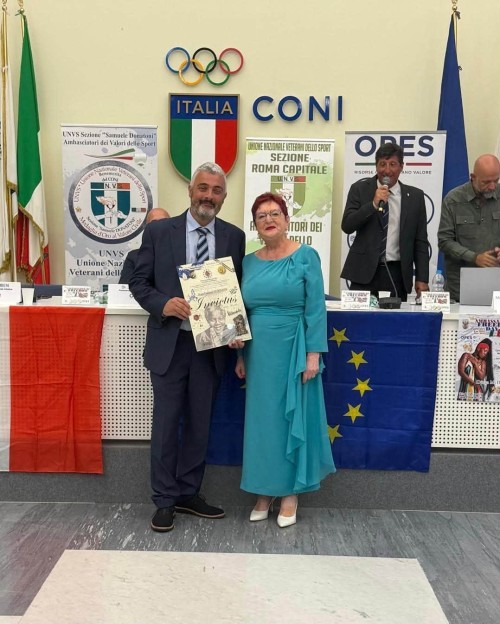
Mandela Day – 5ª Edizione "Invictus, intervista della Dr.ssa Francesca Di Giovanni dell'AISM

Lombardia e Vietnam rafforzano la cooperazione: focus su industria, trasporti e transizione ecologica

Idroelettrico in Lombardia, la Cassazione sblocca oltre 200 milioni: 120 a Sondrio

Mandela Day - Invictus 2026: la ricerca, la geopolitica e la cultura della pace protagoniste con il riconoscimento a Ilaria Zavaresco e Marco Panfili
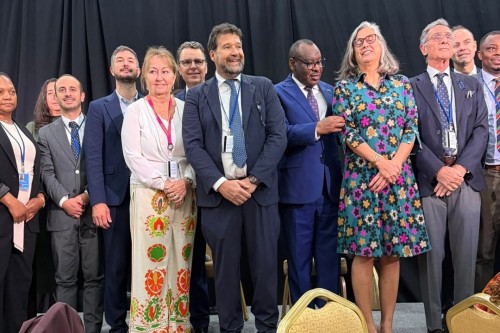
Lombardia presenta all’ONU il suo modello: tre leggi per guidare lo sviluppo sostenibile

Castelnuovo del Garda, MusicalBrolo inaugura con Chiara Luppi e chiude con Ottovolante
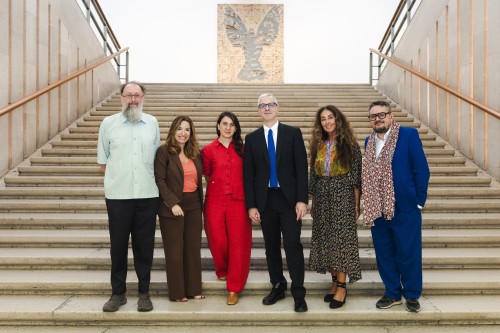
Triennale Milano, nuove linee strategiche e comitato scientifico per il quadriennio 2026-2030

Gilsons e Selton in concerto il 15 luglio al Festival di Villa Arconati, inizio alle 21.

Lunedì 13 luglio 2026, Pino Daniele, il docufilm