"We can save one more life." Those were the last words Sister Anne, 35, of the order of the Nardini Sisters spoke before plunging back into the hospice with a fellow sister, having already rescued five patients.
Mission head nun Sister Irmingard told the Witness on Monday that moments after the second nun managed to escape, flames engulfed the thatched roof which then collapsed, killing Sister Anne and the three remaining patients.
The Witness was unable on Monday to obtain any information about the deceased patients, other than that they are all believed to have been aged between forty and forty-five, according to Wasbank police spokesperson Inspector TP Hlatshwayo.
A wonderful person
Hlatshwayo said the fire started just before 23:00 on Saturday evening.
An inquest has been opened to establish exactly what happened, but "the suspicion is that one of the patients in a room on the top floor tried to light a cigarette," Hlatshwayo said.
Sister Anne trained as a teacher in Pinetown before joining the order and had been working at the Maria Ratschitz Mission Station for two years, training young nuns in religious practice.
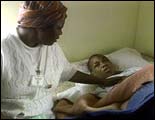 Sister Irmingard said she "was a real, wonderful, outgoing person. Someone tried to stop her going in, but her determination to save the patients was exactly her.
"She is a heroine in her heart. I guess if you can die saving a life then it's worth it."
She added that patients and sisters at the Hospice are suffering from shock.
"For us it is a very emotional time, although we have not had time to allow ourselves that emotion."
The Mission Hospice cares for patients suffering from tuberculosis and HIV/Aids who are too ill for the Mission's home-care service.
"Our AIDS programme will continue, but the burning down of the hospice is a great loss for those who need constant care," Sister Irmingard pointed out.
The administrator of the Catholic Diocese of Dundee said his diocese was "devastated by what happened, and extremely sorry that four people have died. We want to do anything we can to alleviate the pain and suffering of the families of the deceased".
The building housing the hospice dated back to the last decade of the 19th century, and was protected by the Heritage Act. None of the other buildings in the station were damaged by the fire. According to Robert Brusse, who was involved in the restoration of the station in the 1990s, the station was built by the Trappist Monks on the foothills of the Bittersberg and the hospice was "the last of its pioneer buildings".
"For many years it was abandoned, but it was then reoccupied by the Nardini Sisters for use as part of their Aids programme.
He said the wood used in the hospice "would have been very brittle and dry by now".
The Witness
www.24.com

Ultimi Articoli

Maker Faire Rome 2026, Gualtieri presenta Julia 3.0: l’AI ufficiale di Roma
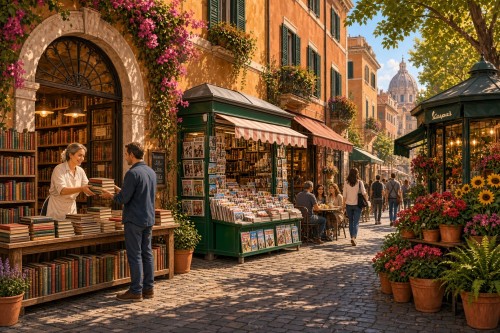
Roma, via libera a 26 progetti per il commercio di prossimità: richiesti 2,6 milioni di euro

Meteo del weekend e ora solare: temperature in calo, il 25 ottobre lancette indietro

M6 Milano, il 24 ottobre si apre il confronto con i cittadini sulla futura metropolitana
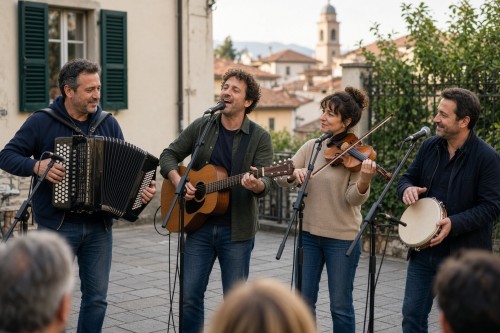
Lombardia, 900.000 euro per bande, cori e gruppi folk: domande dal 20 novembre

Lombardia, 20 milioni per l’accesso al credito di imprese e lavoratori autonomi
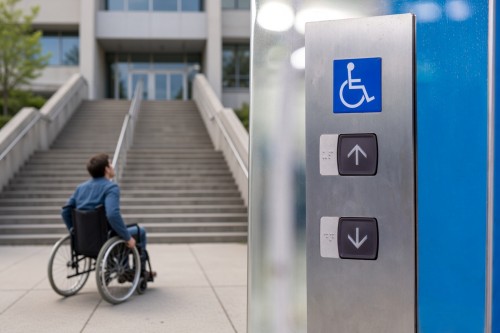
Lombardia, 1,1 milioni per eliminare le barriere architettoniche: previsti 263 interventi
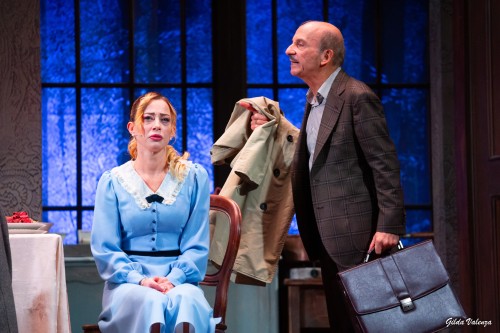
Carlo Buccirosso in scena con “Qualcosa è andato storto!”

Ilze Brands Kehris nominata rappresentante speciale dell’UE per i diritti umani