The high level of interest in the conference reflects the importance of the debate to all stakeholders. The event will encourage a lively discussion on all aspects of flexicurity ranging from the role of training to how to reduce the number of labour market outsiders. It will promote a rich exchange of experiences on successful flexicurity-inspired policy approaches already being used at national level.
Labour market situations vary greatly across the EU but experience shows Member States can effectively combine certain aspects of flexibility and security to fit in with their particular needs. In some countries, efforts might focus on solutions within companies, in others the focus could be more on transitions between jobs.
Europeans recognise the importance of adapting the EU's labour markets to confront common global challenges. A recent Eurobarometer survey (Autumn 2006) showed that a flexicurity approach is welcomed by most Europeans. For example, 76% share the view that a "job for life" is a thing of the past. 72% feel that employment contracts should be more flexible so as to create more jobs; and 88% share the view that lifelong learning improves chances of finding a job quickly.
In addition to the Member States, the social partners - both at national and European level " have a particularly important role to play in this debate. Without their contributions and support, flexible working arrangements, effective active labour market polices and concrete lifelong learning policies will not happen. The Commission has a role in facilitating mutual learning and ensuring the best use of financial resources such as the European Social Fund and the European Globalisation adjustment Fund.
Speakers at today's conference include Vladimír Ã…Â pidla, EU Commissioner for Employment, Social Affairs and Equal Opportunities, Franz Müntefering, the German Vice-Chancellor and Minister for Employment the Portuguese and the Danish employment ministers, Josè Vieira da Silva, and Claus Hjort Frederiksen and the Secretaries-General of ETUC and Business Europe, John Monks and Philippe De Buck.
Background:
The 2006 Spring Council invited the Commission and Member States and the social partners to explore the development of common principles on flexicurity. The 2007 Spring Council called on Member States to reflect on the different approaches to flexicurity and consider the best combination of policies that match their individual needs.
The Commission's June Communication on flexicurity should propose to Member States a set of common principles on flexicurity which will hopefully aproved at the end of 2007.
For more information see: flex_meaning_en.htm

Ultimi Articoli
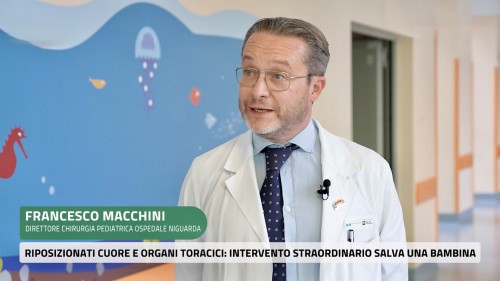
Niguarda, protesi nel torace per liberare il respiro: a 12 anni torna a salire le scale
Maker Faire Rome 2026, Gualtieri presenta Julia 3.0: l’AI ufficiale di Roma
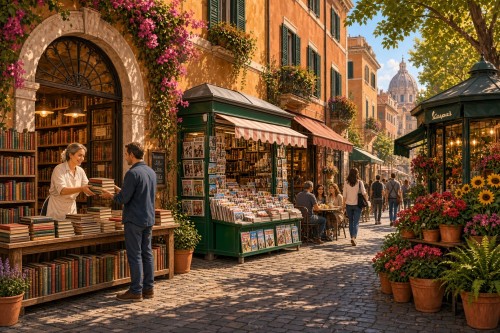
Roma, via libera a 26 progetti per il commercio di prossimità: richiesti 2,6 milioni di euro

Meteo del weekend e ora solare: temperature in calo, il 25 ottobre lancette indietro

M6 Milano, il 24 ottobre si apre il confronto con i cittadini sulla futura metropolitana
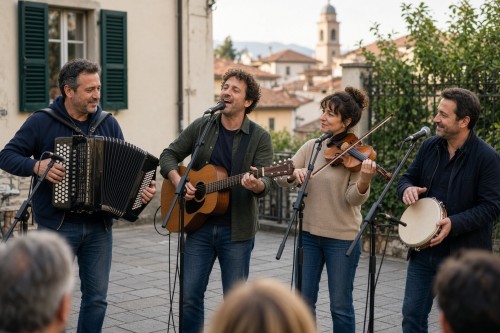
Lombardia, 900.000 euro per bande, cori e gruppi folk: domande dal 20 novembre

Lombardia, 20 milioni per l’accesso al credito di imprese e lavoratori autonomi
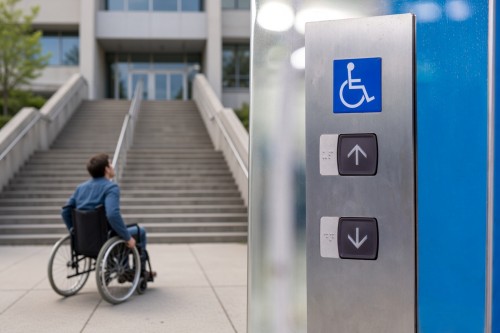
Lombardia, 1,1 milioni per eliminare le barriere architettoniche: previsti 263 interventi
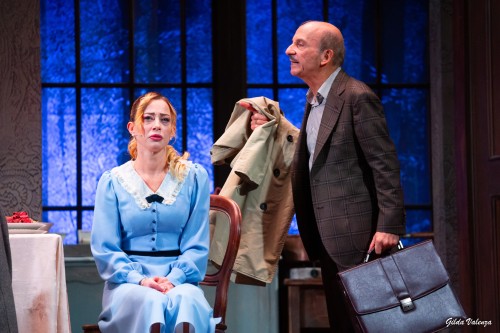
Carlo Buccirosso in scena con “Qualcosa è andato storto!”