The Batwa first lived in the central African forests, but unlike the majority of the Burundi population who own farms, they are now a people without land. Many of the women make out a living for their families as traditional potters, others have to rent land or still live under a feudal system which requires them to return some of their profits to their landlord.
"Even though we were one of the first communities in Burundi, the Batwa are still not recognized as indigenous,” says Evariste.
"They are in an inferior position compared to the two other indigenous communities in Burundi, the Hutu and the Tutsi,” he says, "and cannot participate in some government institutions.”
Batwa children often quit school after a few years or even months because there is not enough money to pay for education and basic school materials. "In fact, only 4 percent of children who have attended primary school move on to secondary school”, says Evariste.
The major health problems in the Batwa community are caused by malnutrition. Lack of food is the principal cause of disease and death in this community. Moreover, the Batwa do not have access to basic health care. "The Batwa do not have the money to pay for health care because it is too expensive”, explains Evariste.
When Evariste returns to Burundi he wants to implement several national systems for the promotion and protection of human rights for the Batwa people and to present them to the Burundi government. He plans to focus on the distribution of land for indigenous people, the promise of proper and free education for indigenous children and the guarantee of minimal life conditions as proper housing and healthcare.of proper and free education for indigenous children and the guarantee of minimal life conditions as proper housing and healthcare.


Ultimi Articoli
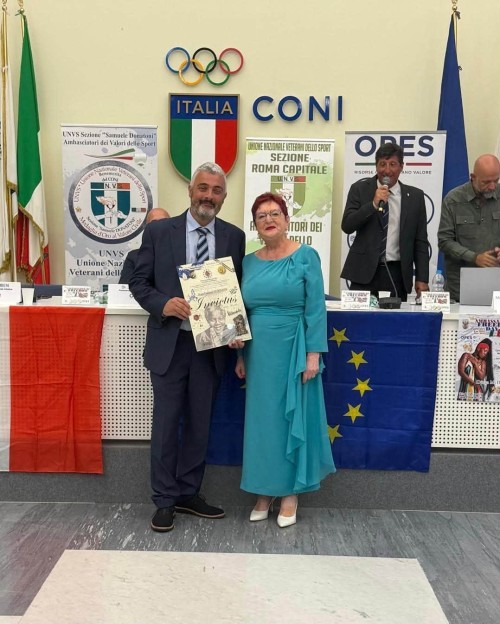
Mandela Day – 5ª Edizione "Invictus, intervista della Dr.ssa Francesca Di Giovanni dell'AISM

Lombardia e Vietnam rafforzano la cooperazione: focus su industria, trasporti e transizione ecologica

Idroelettrico in Lombardia, la Cassazione sblocca oltre 200 milioni: 120 a Sondrio
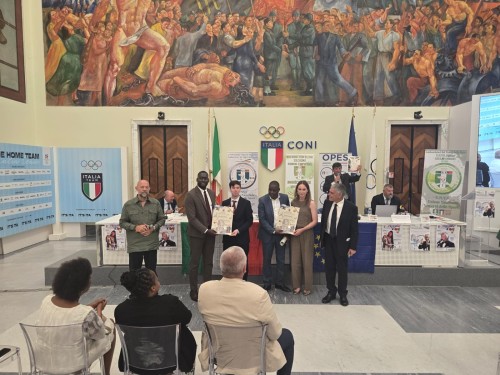
Mandela Day - Invictus 2026: la ricerca, la geopolitica e la cultura della pace protagoniste con il riconoscimento a Ilaria Zavaresco e Marco Panfili
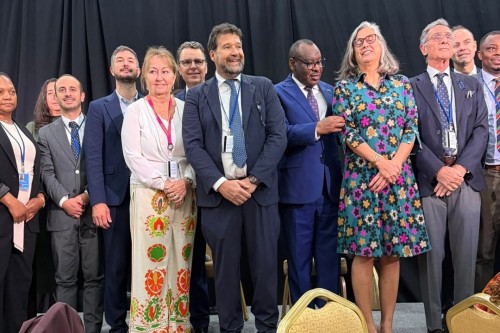
Lombardia presenta all’ONU il suo modello: tre leggi per guidare lo sviluppo sostenibile
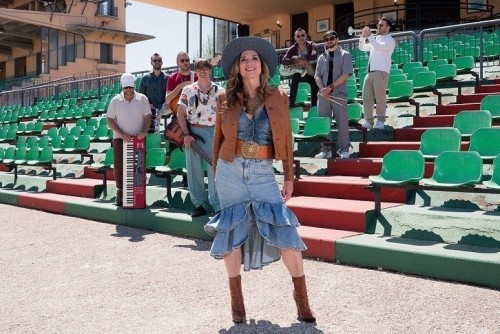
Castelnuovo del Garda, MusicalBrolo inaugura con Chiara Luppi e chiude con Ottovolante
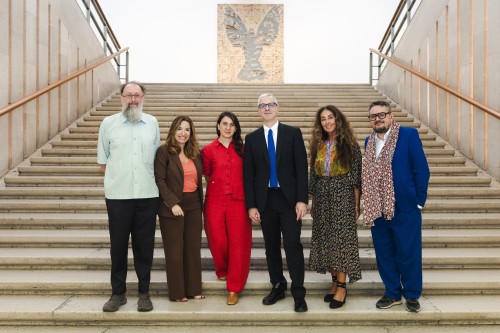
Triennale Milano, nuove linee strategiche e comitato scientifico per il quadriennio 2026-2030

Gilsons e Selton in concerto il 15 luglio al Festival di Villa Arconati, inizio alle 21.
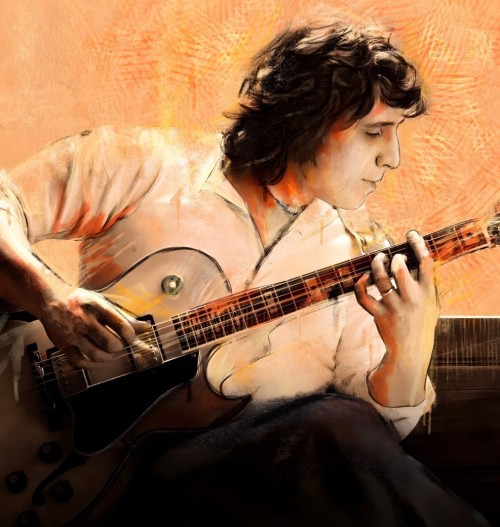
Lunedì 13 luglio 2026, Pino Daniele, il docufilm