The automotive world and beyond is buzzing about the massive airbag recall covering many millions of vehicles in the U.S. from nearly two dozen brands. Here’s what you need to know about the problem; which vehicles may have the defective, shrapnel-shooting inflator parts from Japanese supplier Takata; and what to do if your vehicle is one of them.
The issue involves defective inflator and propellent devices that may deploy improperly in the event of a crash, shooting metal fragments into vehicle occupants. Approximately 34 million vehicles are potentially affected in the United States, and another 7 million have been #recalled #worldwide.
Initially, only six makes were involved when Takata announced the fault in April 2013, but a Toyota recall in June this year—along with new admissions from Takata that it had little clue as to which cars used its defective inflators, or even what the root cause was—prompted more automakers to issue identical recalls. In July, #NHTSA forced additional regional recalls in high-humidity areas including Florida, Hawaii, and the U.S. Virgin Islands to gather removed parts and send them to Takata for review.
Another major recall issued on October 20 expanded the affected vehicles across several brands. For its part, Toyota said it would begin to replace defective passenger-side inflators starting October 25; if parts are unavailable, however, it has advised its dealers to disable the airbags and affix "Do Not Sit Here" messages to the dashboard.
#SRS #airbag lettering
While Toyota says there have been no related injuries or deaths involving its #vehicles, a New York Times report in September found a total of at least 139 reported injuries across all automakers. In particular, there have been at least two deaths and 30 injuries in Honda vehicles. According to the Times, Honda and Takata allegedly have known about the faulty inflators since 2004 but failed to notify #NHTSA in previous recall filings (which began in 2008) that the affected airbags had actually ruptured or were linked to injuries and deaths.
Takata first said that propellant chemicals were mishandled and improperly stored during assembly, which supposedly caused the metal airbag inflators to burst open due to excessive pressure inside. In July, the company blamed humid weather and spurred additional recalls.
According to documents reviewed by Reuters, Takata says that rust, bad welds, and even chewing gum dropped into at least one inflator are also at fault. The same documents show that in 2002, Takata’s plant in Mexico allowed a defect rate that was "six to eight times above" acceptable limits, or roughly 60 to 80 defective parts for every 1 million airbag inflators shipped. The company’s study has yet to reach a final conclusion and report the findings to NHTSA.



Ultimi Articoli

Maker Faire Rome 2026, Gualtieri presenta Julia 3.0: l’AI ufficiale di Roma

Roma, via libera a 26 progetti per il commercio di prossimità: richiesti 2,6 milioni di euro

Meteo del weekend e ora solare: temperature in calo, il 25 ottobre lancette indietro

M6 Milano, il 24 ottobre si apre il confronto con i cittadini sulla futura metropolitana

Lombardia, 900.000 euro per bande, cori e gruppi folk: domande dal 20 novembre

Lombardia, 20 milioni per l’accesso al credito di imprese e lavoratori autonomi
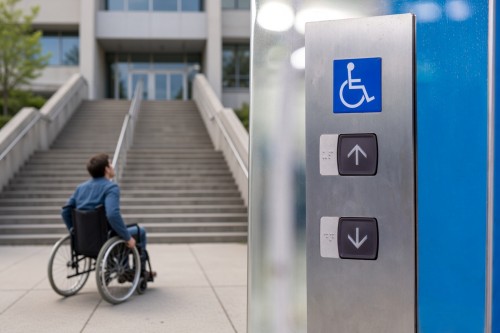
Lombardia, 1,1 milioni per eliminare le barriere architettoniche: previsti 263 interventi

Carlo Buccirosso in scena con “Qualcosa è andato storto!”

Ilze Brands Kehris nominata rappresentante speciale dell’UE per i diritti umani