Europe’s leading experts in electric propulsion met in Lerici, Italy, for a two day workshop devoted to a round-up of Europe’s flight experience in this field.
The beautiful surroundings of Villa Marigola hosted the First European Workshop on Electric Propulsion Flight Experience on 1 and 2 September. The workshop was attended by representatives of space agencies, European satellite contractors, equipment suppliers, space operators and insurers.
Two intense days of presentations and discussions were devoted to the recent successful flight experience achieved by European spacecraft equipped with electric propulsion systems, including ARTEMIS, SMART-1 and Inmarsat-4.
During his opening speech, Michel Courtois, Director of the European Space and Technology Centre (ESTEC) of ESA, addressed the audience about the importance of lessons learned from flight experience, which are necessary to provide confidence for the development of new technologies and their future utilisation.
Michel Courtois recalled all the steps that, in the past 15 years, have led to the successful development and flight of European electric propulsion systems, passing through difficult moments such as the loss due to launcher failures of the STENTOR and ASTRA-1K commercial satellites, which were equipped for the first time with Hall-effect plasma thrusters. Pointing out the importance of electric propulsion for current and future European missions in science and telecommunication, he invited European experts to understand all the implications of using this technology on spacecraft, to ensure its optimum utilisation in the future.
During the workshop, the participants exchanged a large quantity of information, ranging from mission and spacecraft design issues through the experience of the ground control and on-board operations, and down to the details of interactions between the electric propulsion subsystem and the hosting spacecraft, as measured by on-board diagnostics and analysed by dedicated software.
“Not many countries in the world have the opportunity to look at their experience in satellites equipped with electric propulsion systems. Europe is in this privileged position,” said Giorgio Saccoccia, Head of the Propulsion and Aerothermodynamics Division at ESTEC and organiser of the workshop.
“Therefore we must use this experience in the design of future spacecraft and to build-up confidence in this new technology among spacecraft operators and insurers. Space agencies have an important role in collecting and distributing our lessons learnt from this and other new technologies. This is the spirit of this workshop: to maximise the advantages of new technologies.”
As an immediate follow-on from the workshop, ESA has been invited to organise dedicated briefings to insurers and operators, together with telecommunication satellite prime contractors, to bring about a better sharing of the information from the available flight experience.
For more information please contact Giorgio Saccoccia, Head of the Propulsion and Aerothermodynamics Division.
Giorgio.Saccoccia@esa.int
Josè Gonzalez, Head of the Electric Propulsion Section, both at ESA-ESTEC.
Jose.Gonzalez@esa.int
Ultimi Articoli
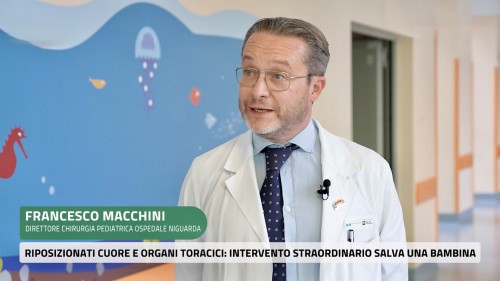
Niguarda, protesi nel torace per liberare il respiro: a 12 anni torna a salire le scale
Maker Faire Rome 2026, Gualtieri presenta Julia 3.0: l’AI ufficiale di Roma

Roma, via libera a 26 progetti per il commercio di prossimità: richiesti 2,6 milioni di euro

Meteo del weekend e ora solare: temperature in calo, il 25 ottobre lancette indietro
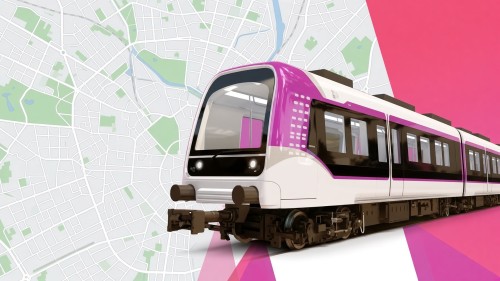
M6 Milano, il 24 ottobre si apre il confronto con i cittadini sulla futura metropolitana
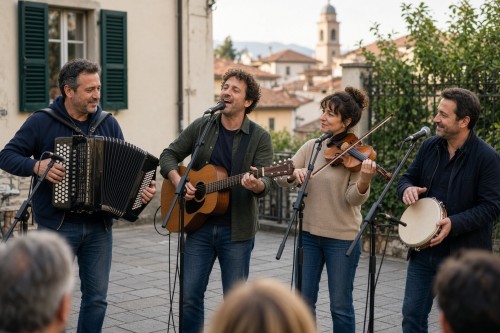
Lombardia, 900.000 euro per bande, cori e gruppi folk: domande dal 20 novembre

Lombardia, 20 milioni per l’accesso al credito di imprese e lavoratori autonomi
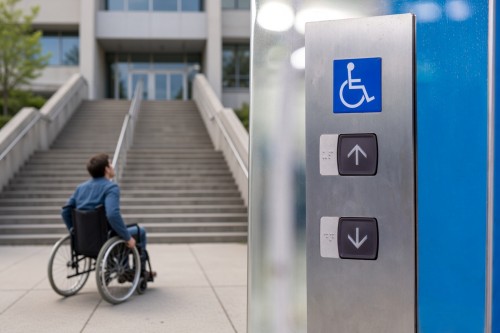
Lombardia, 1,1 milioni per eliminare le barriere architettoniche: previsti 263 interventi
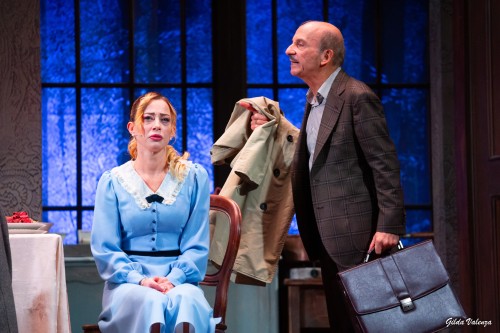
Carlo Buccirosso in scena con “Qualcosa è andato storto!”